
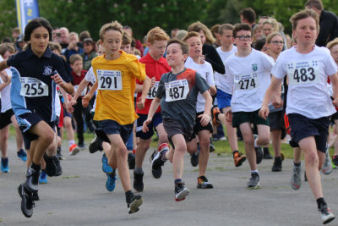
📚⚽ Want your kids to do better at school? Let them play.
Research shows sport isn't a distraction — it's a learning superpower.
Sport or Study? The Debate Is Over
Parents have long worried that time spent playing sport means less time for homework. But research shows the opposite: active children perform better in school.
A major University College London (UCL) study found that kids who played sport regularly at ages five, seven, and eleven were 1.5 times more likely to score above average in their Key Stage 2 maths tests.
Across studies from the UK, Canada, Germany, and the US, the conclusion is the same — games and grades go hand in hand.
"Sport isn't just an add-on to education — it is education."
1.5x
More likely to score above average
29%
Improvement in numeracy skills
15%
Better study skills
Why Physical Activity Powers Academic Success
Sport doesn't just strengthen the body — it sharpens the mind.
Regular exercise boosts oxygen flow to the brain, improving focus, memory, and problem-solving skills. Professor Craig Williams (University of Exeter) explains that fitness enhances "attention, on-task behaviour, and executive function" — all key ingredients for classroom success.
Beyond cognitive benefits, sport builds resilience, discipline, and confidence — the same qualities that help students tackle challenges in their studies and later thrive in their careers.
A Lifeline for Underachieving Students
For children who struggle academically, sport can be transformative.
Dr Karen Schucan Bird of UCL found that underachieving pupils involved in extracurricular sports improved their study skills by 15% and numeracy by 29%.
By developing self-belief, teamwork, and persistence, sport gives students tools that directly transfer to learning.
The Antidote to Digital Distraction
In an age where smartphones dominate attention, sport provides a much-needed digital detox.
Seventy per cent of parents worry their children are less active because of screens. Sport forces kids to be present, to connect with others, and to experience joy offline.
"Physical activity helps reset the brain, reduce anxiety, and restore human connection."
Team games, in particular, replace social media's empty interactions with real relationships and shared purpose.
Sport and Social Mobility
Sport isn't just good for individuals — it's a driver of equality.
UCL research found that disadvantaged children who attended after-school sports clubs scored two points higher in English, maths, and science — closing almost half the gap between poorer and wealthier pupils.
But access remains unequal. Only 39% of disadvantaged children get the recommended 60 minutes of activity per day. And over half of state-educated teens aged 16–18 now do no school sport at all.
If we're serious about social mobility, sport must be part of the solution.
The Case for More PE
Despite its proven benefits, physical education in English schools has dropped by 13% since 2011–12, particularly among 11–14-year-olds.
Today, fewer than half of children meet national activity targets — and nearly a third don't even get 30 minutes a day.
This decline in physical activity is a missed opportunity. Every minute children spend moving is an investment in their focus, wellbeing, and future success.
The Joy of Movement
American writer George Plimpton captured the magic of sport:
"The pleasure of sport was so often the chance to indulge the cessation of time itself."
For children growing up in an always-online world, that feeling — of being in the moment, moving freely, connected with others — has never been more important.
The Takeaway
Sport and study aren't rivals. They're partners in progress.
Active children:
- ✅Learn better
- ✅Focus longer
- ✅Feel happier
- ✅Grow in confidence
So, if you want your child to do better at school, don't cut PE — make space for play.
Get Your Children Active
Join the Sefton Primary Schools Sports League and give your child the opportunity to develop through competitive sport.